
How Your Microbiome and Genes Shape Mood, Metabolism & Immunity
Updated: Jul 28
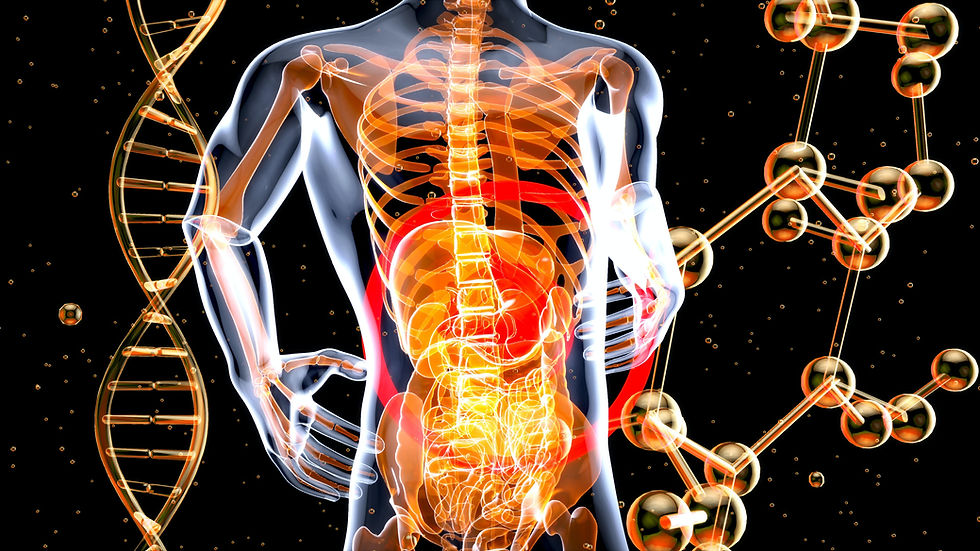
Your gut is more than digestion — it’s a dynamic ecosystem that controls inflammation, immunity, mental health, and even how your genes behave [R]. While diet and environment shape much of your microbiome, your genes also play an integral role in which microbes tend to thrive, how your immune system reacts to them, and how your gut barrier behaves [R].
What Your Microbiome Actually Does
The microbes in your gut are not just passive passengers—they actively interact with your cells every day.
Break down complex carbohydrates and fibers into short-chain fatty acids (SCFAs) like butyrate, acetate, and propionate, which fuel colon cells and support metabolic health.
Produce vitamins and cofactors, including certain B vitamins and vitamin K2.
Train and regulate your immune system, helping it distinguish between friend and foe and avoid constant overreaction.
Maintain the gut barrier, supporting tight junctions and mucus production that keep microbes and toxins from crossing into the bloodstream.
Communicate with the brain, via immune signals, metabolites, and the vagus nerve, influencing mood, appetite, and stress responses.'
A diverse, stable microbiome is generally associated with better metabolic, immune, and mental health, while low diversity and imbalance are linked to increased disease risk [R].
Dysbiosis: When Gut Balance Is Off
“Dysbiosis” refers to an imbalance in the gut ecosystem—too many potentially harmful microbes, too few beneficial ones, or a loss of diversity.
IBS (Irritable Bowel Syndrome) – altered microbiota composition and fermentation patterns can contribute to bloating, pain, and irregular bowel habits.
Inflammatory Bowel Disease (Crohn’s and Ulcerative Colitis) – disruptions in microbiome composition and function, combined with immune and barrier defects, are strongly implicated in flare-ups and chronic inflammation.
Metabolic conditions – certain microbiome signatures are linked to obesity, insulin resistance, and fatty liver disease.
Mood and brain health – changes in gut microbes can influence inflammation, neurotransmitter systems, and stress circuits, contributing to anxiety and depression in some individuals.
Dysbiosis is usually not caused by a single factor, but by interactions among diet, antibiotics or other medications, infections, stress, and underlying genetic predispositions.
Lifestyle Factors That Shape the Microbiome
Even with genetic predispositions, day-to-day habits usually have a bigger impact on your microbiome than any single variant.
Diet
High-fiber, plant-rich diets tend to support greater microbial diversity and higher SCFA production.
Diets high in ultra-processed foods, added sugars, and low in fiber are linked to reduced diversity and more inflammatory patterns.
Medications
Antibiotics can dramatically disrupt microbiome composition, sometimes for months.
Medications like PPIs, NSAIDs, and metformin also influence microbiota profiles.
Stress and sleep: Chronic stress and poor sleep can alter gut motility, barrier function, and immune tone, which in turn affects microbes.
Physical activity: Regular movement is associated with greater microbial diversity and beneficial metabolic profiles.
Environment and early life: Birth mode, breastfeeding, early antibiotic exposure, and childhood environment leave long-lasting signatures on the microbiome.
At GenesUnveiled, gut-related insights focus on how your genetic tendencies might interact with your microbiome, rather than trying to guess your exact microbial composition from DNA alone.


Comments